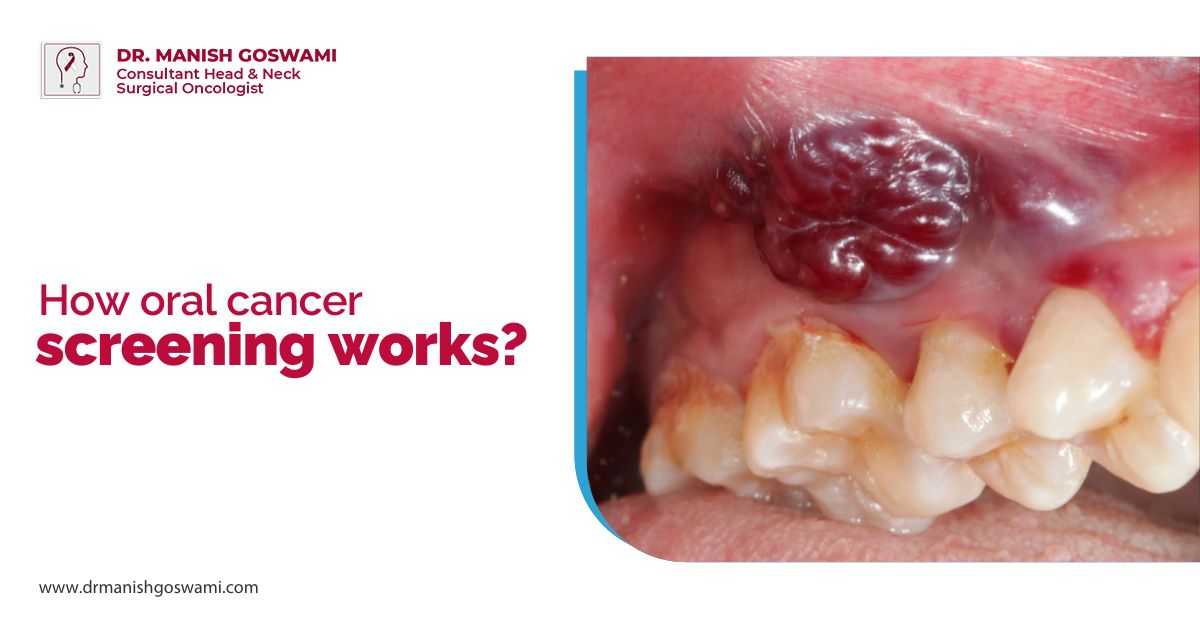

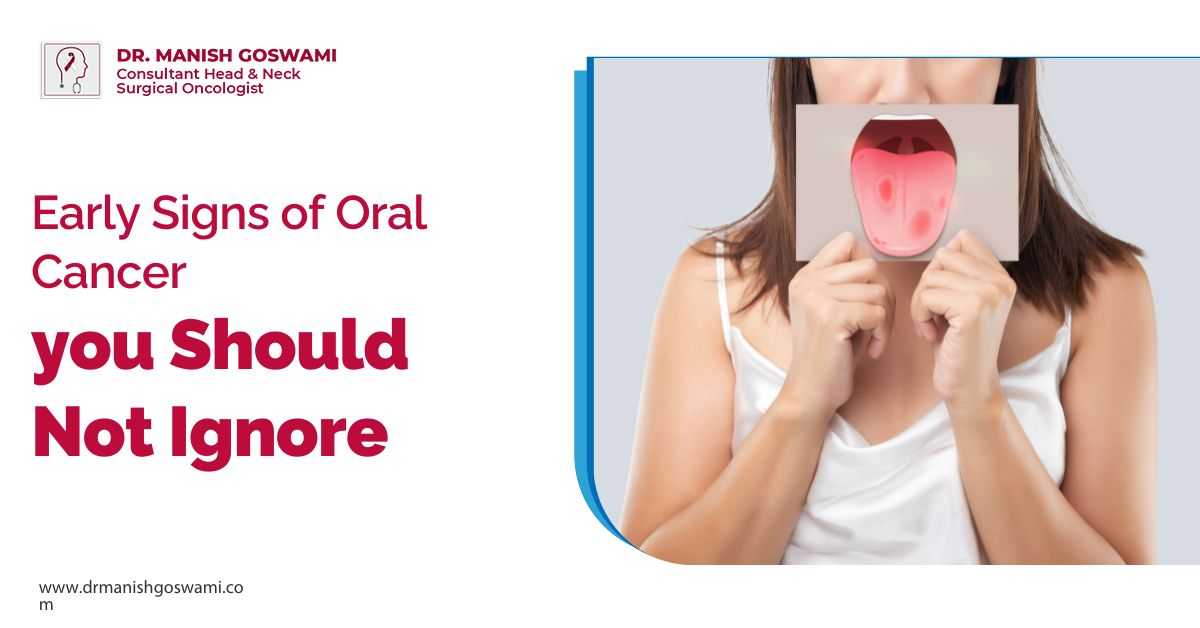



Many believe that screening for oral cancer is difficult or painful. But the procedure is quick, easy, and generally carried out during a routine dental examination. Before symptoms worsen, the screening helps rule out if there are unusual tissues or early signs.
And, patients may feel more comfortable and motivated to make routine dental appointments when they are aware of how oral cancer screening works. This blog explains oral cancer screening, who should be screened, what dentists look for, et al.
Oral cancer treatment Siliguri or anywhere focuses on cancer staging, the patient’s general health, age, et al. This can affect the mouth, tongue, lips, gums, and throat but is highly treatable if found early. For this reason, screening for oral cancer has become extremely vital.
Oral Cancer Screening Overview
To find signs of cancer or precancerous diseases in the mouth and surrounding tissues, oral cancer screening is an effective examination. This screening is carried out by dentists and other medical experts, and they try to find anomalous changes that can call for more testing.
Thus, early diagnosis is the primary goal of screening. Since oral cancer sometimes progresses silently, many patients do not experience oral cancer symptoms until the illness has progressed.
Here, screening improves oral cancer treatment outcomes and survival rates simply by allowing medical professionals to diagnose abnormal changes early.
Usually, the test focuses on:
- Gums, lips, and tongue
- Cheeks
- The roof of the mouth
- Neck, throat, and floor of the mouth
Routine screening is crucial as it helps maintain dental and general health since oral cancer may spread swiftly.
Signs and Symptoms of Oral Cancer
Patients should be aware of these signs/ symptoms even though screening might help uncover hidden problems.
- Unhealed mouth sores
- Ongoing oral pain
- Difficulty swallowing
- A bump in the neck area
- Patches of red/ white
- Loose teeth
- A numbing feeling inside the mouth
- Voice alterations/ changes
- Pain in the ears
- Unknown hemorrhage
If these symptoms have persisted for longer than two weeks, a professional examination should be sought.
Learn Why Oral Cancer Screening Is Important
If oral cancer is not identified early, it may become further complicated. Health experts claim that the survival rate for early-stage oral cancer is higher than that of advanced-stage cancer.
Oral cancer screening is essential for the following main reasons; have a read:
Early Diagnosis Prevents Death
The fact is that early cancer detection of any disease enables earlier initiation of treatment. Better recovery outcomes and less intrusive treatment are often the results of early intervention.
Many Symptoms Are Ignored
What happens is that oral cancer may not initially produce pain or noticeable discomfort. Without a professional checkup, it is easy for most people to overlook small lesions or patches inside the mouth.
People at High Risk Require Monitoring
There’s no doubt that oral cancer is more common in people who smoke, drink excessively, use tobacco products, or have a history of HPV infection. Many times, screening helps keep a closer eye on these people.
Quick & Non-Invasive Screening
There is no need for an uncomfortable test or surgery, and the process typically takes only a few minutes.
Who Needs to Be Screened Here?
Oral cancer screening is beneficial for everyone, but some people are more at risk and should prioritize routine exams; consult your dentist.
- Individuals Over 40
Oral cancer risk rises with age, especially after 40.
- Tobacco Smokers
The risk of oral cancer increases with smoking cigarettes, cigars, pipes, or smokeless tobacco.
- Heavy Drinkers
Drinking too much alcohol can harm oral tissues and raise the risk of cancer, including oral cancer.
- People Infected with HPV
Throat and oral cancers are linked to specific strains of the human papillomavirus (HPV).
- Exposure to Long-term Sunlight
The risk of lip cancer is high with frequent exposure to sunshine.
- People Who Have a Cancer Family History
The risk of oral cancer may also be influenced by genetics (oral cancer in first-degree relatives).
Oral cancer can affect anyone; thus, routine tests are advised even for those without risk factors.
How Oral Cancer Screening Works- An Easy Guide
Yes, because they are unsure of what may happen during the screening, many patients experience anxiety or worry, but the procedure is easy and painless.
The process of oral cancer screening is explained in easy words here.
Step 1: Examining Lifestyle and Medical History
Generally, the screening starts with inquiries about your lifestyle choices and medical history, and your doctor (dentist) might inquire about:
- Use of tobacco
- Drinking alcohol
- Prior diagnoses of cancer
- Medical history in the family
- Present-day symptoms
- Exposure to HPV
- Mouth sores that never go away
These specifics direct the evaluation and help detect oral cancer risk factors.
Step 2: Visual Examination of Your Mouth
Your dentist uses a dental mirror and a bright light to carefully examine the inside of the mouth, and they search for odd signs like:
- Patches of red or white
- Unhealing sores
- Swelling or lumps
- Tissue that has thickened
- Unusual bleeding
- Texture alterations
This specific test covers all the tongue, gums, cheeks, palate, & neck.
Step 3: Physical Examination
Then, your dentist checks the tissues inside the mouth, as well as those surrounding the jaw and neck.
This helps identify:
- Tender spots and lumps
- Larger lymph nodes
- Unusual development of tissue
Step 4: Tongue Examination
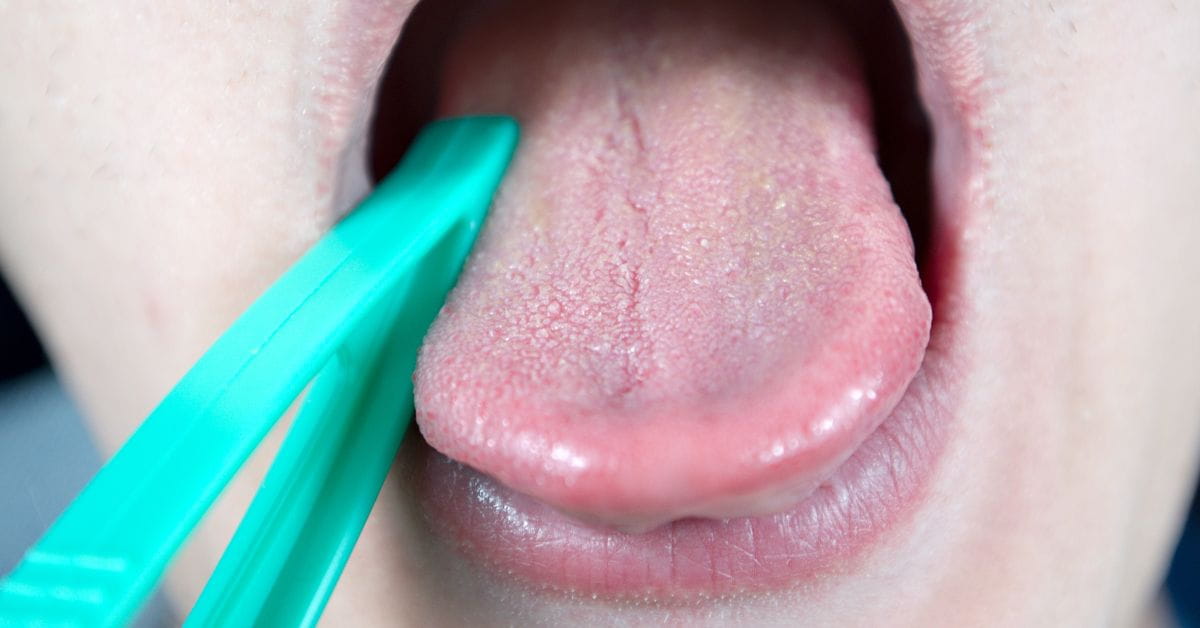
Another vital site of oral cancer development is the tongue, and your dentist may do the following during screening:
- Use gauze to hold the tongue
- Shift it from side to side
- Look beneath the tongue
- Look for any spots or ulcers
This test enables people to examine regions that are hard to observe during a typical self-examination.
Step 5: Screening Technology
Some dental clinics in Siliguri or elsewhere in India use advanced instruments to identify anomalous tissue alterations/ changes.
These technologies may include:
Fluorescent Light Screening
Suspicious tissue that might not be evident in normal lighting can be found with the aid of special lights (screening).
Dye-Based Tests
Abnormal cells are momentarily stained by some dyes, which facilitates their diagnosis.
Oral Cancer Screening Equipment
Abnormal tissue patterns can be easily diagnosed by certain instruments using light reflection technology.
Even though they can help dentists diagnose conditions that require further examination, these instruments do not immediately detect cancer. Timely screening or diagnosis is key to more effective oral cancer treatment in Siliguri or near you.
What Happens If You Find Something Suspicious?
Numerous oral anomalies are benign and can be caused by:
- Small infections
- Injury/ irritation
- Inflammation from unintentional biting
On the other hand, the dentists might suggest further testing if they find something alarming.
Common Procedures for Follow-Up
Observing the Region
Small anomalies in your mouth can simply be tracked over time to determine whether they resolve on their own.
Referral to an Expert
For further assessment, dentists may advise patients to see an oral surgeon or specialist.
A Biopsy
During a biopsy, a tiny sample of tissue is taken for analysis in a lab, and this is the most reliable method for diagnosing the presence of cancer cells.
How Much Time Is Needed for Oral Cancer Screening?
No doubt, convenience is one of the best features of oral cancer screening, so, typically, the screening takes:
- Five to ten minutes for a standard dental appointment
- Longer if more imaging or tests are needed.
How Frequently Should You Get Oral Cancer Screening?
Individual risk factors determine how often oral cancer screenings should be performed; read on to get an idea:
Average-Risk People
During routine dental examinations, which usually take place every six months, the majority of dentists advise screening.
People at High Risk
People with prominent risk factors might require more regular assessments.
Frequent dental checkups increase the likelihood of early abnormality detection and offer continuous monitoring, which is vital and helpful.
When oral cancer first appears, dentists are often the first medical specialists to detect it. Routine dental visits offer you a chance for early detection before any symptom or disease worsens.
Dentists are able to see minute changes that patients can easily miss.
Final Words
This screening is a simple and effective method to preserve long-term health. The procedure is quick, painless, and very helpful in identifying anomalies inside your mouth before they become complicated.
And, people are more likely to prioritize routine dental examinations when they are aware of how the oral cancer screening process works and how it actually works. You can ensure routine screenings for an early diagnosis and effective treatment.
Speak with one of the top oncologists in Siliguri for oral cancer treatment, Dr. Manish Goswami.